
5 Core Changes When Switching Gas Car to EV After 20 Years
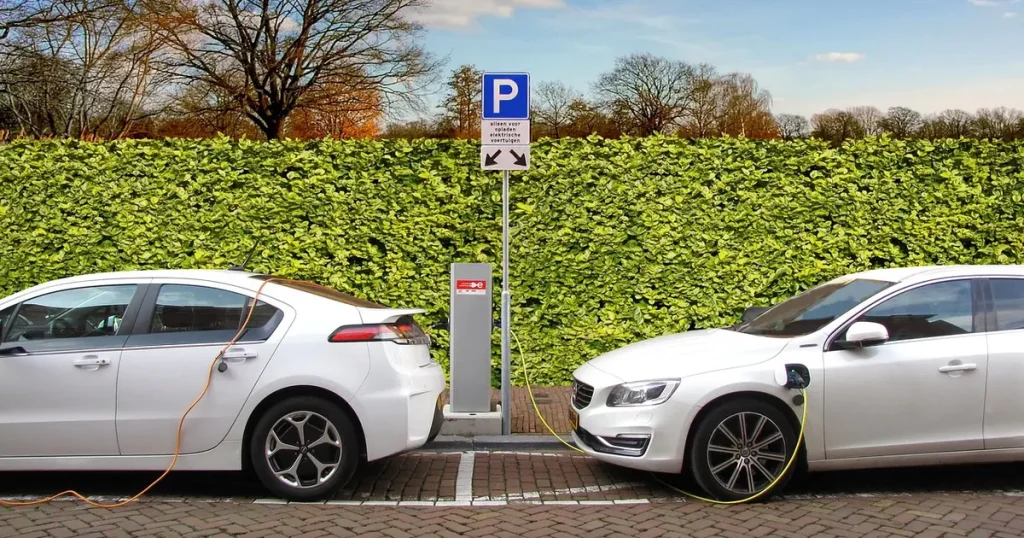
Many drivers who have spent two decades or more behind the wheel of a gasoline-powered vehicle face significant apprehension when contemplating the transition to an electric vehicle. The ingrained habits of gas car ownership are deeply set, leading to an understandable concern about the unknown. However, understanding the fundamental shifts in daily routine and vehicle interaction ensures a smooth and beneficial adaptation. This transition, particularly for those whose driving history is exclusively with internal combustion engines, demands a clear understanding of what truly changes in everyday life to facilitate a positive experience.
Embrace Home Charging: Eliminate Gas Station Stops
The most immediate and profound alteration to your daily routine involves how you “refuel” your vehicle. The refueling mindset flips completely; instead of actively driving to a gas station to fill up, you now simply plug your vehicle in at home overnight, much like a smartphone. This singular change eliminates all trips to the gas station entirely. The process integrates seamlessly into your evening activities, ensuring your EV is fully charged and ready each morning without any detour. For those accustomed to the established electric car vs gas car daily life, this redefines convenience, turning a chore into an effortless habit.
This paradigm shift not only saves significant time but also fundamentally alters the psychological connection to vehicle energy. The days of monitoring fuel gauges for an impending fill-up become obsolete, replaced by a consistent home-based charging habit. While public charging infrastructure is robust and available for longer journeys, daily charging at home becomes the undisputed norm, offering unparalleled convenience and predictability for regular commutes.
Understand EV Maintenance Shifts: Lower Costs, New Focus
Electric vehicles fundamentally simplify vehicle maintenance requirements. Many traditional maintenance items are entirely eliminated: there is no engine oil to change, no spark plugs to replace, and no timing belt requiring periodic inspection or costly replacement. This inherent reduction in mechanical complexity directly translates into a significant decrease in operational expenses. Owners consistently report that annual maintenance cost drops 30-50% compared to equivalent gasoline vehicles, representing a substantial long-term saving. This aspect is crucial for anyone considering a first EV what to expect in terms of ongoing expenditures and overall cost of ownership.
However, specific components still require attention and routine service. The 12V auxiliary battery, which powers the car’s accessories and low-voltage systems, remains a necessary maintenance item, similar to its gas car counterpart and typically requires replacement every few years. Brake fluid also needs regular checks and eventual replacement, despite the reduced physical wear on friction brakes due to the prevalence of regenerative braking. Owners must acknowledge these distinct service needs to maintain optimal vehicle performance, safety, and longevity.
Master Regenerative Braking: Enhance Efficiency and Control
A key operational difference in an EV is the integration of regenerative braking. This sophisticated system captures kinetic energy normally lost during deceleration and converts it back into electricity, efficiently recharging the high-voltage battery. The learning curve for this system is crucial for a smooth transition: lifting off the accelerator pedal in an EV creates a much stronger deceleration than simply coasting in a gas car. This pronounced braking effect can initially cause passenger discomfort if the driver is not accustomed to its unique feel, potentially leading to a “jerking” sensation until muscle memory adapts.
Proficiency in regenerative braking allows for substantially more efficient driving and extends the vehicle’s range between charges. Drivers quickly learn to anticipate stops and modulate the accelerator to maximize energy recapture, often enabling “one-pedal driving” where the conventional brake pedal is rarely needed for routine stops. Adapting to this unique driving characteristic is a core part of the overall EV driving experience and significantly contributes to a smoother, more intuitive, and ultimately more efficient driving experience once mastered.
Prepare for a Transformed Daily Routine: The EV Lifestyle
Beyond the mechanical aspects and driving dynamics, a fundamental transformation occurs in your daily routine. The need to factor in gas station stops vanishes, freeing up valuable time and mental space. Trips to the dealership for routine oil changes are replaced by less frequent, often simpler, EV-specific check-ups focused on tires, brakes, and system diagnostics. A key tip for new EV owner tips is to establish a consistent home charging routine immediately upon purchase, making charging as natural and integrated into your daily rhythm as charging a mobile phone overnight.
While daily charging at home provides unparalleled convenience, longer road trips require a slight shift in planning. Drivers must proactively research charging station availability along their route, understanding that strategic charging stops will replace impromptu fuel stops. The “EV lifestyle change” encompasses this blend of increased daily convenience with a more deliberate, strategic approach to extended travel. This proactive approach ensures a stress-free and enjoyable experience for all journeys, from daily commutes to cross-country adventures.
Assess Long-Term Value: Debunking EV Ownership Myths
Prospective EV owners often seek clarity on the real-world experience, moving past generalizations to concrete facts. A Reddit user, expressing curiosity about “what EV ownership is actually like in day-to-day life,” noted frustrations often revolve around public charging reliability, charger availability, or perceived range limitations. These challenges, while valid in specific contexts, are largely mitigated by reliable home charging solutions, strategic trip planning, and the continuous expansion and improvement of charging infrastructure. Addressing these concerns head-on is vital for informed decision-making and managing expectations.
Furthermore, discussions about environmental impact sometimes present a nuanced perspective. It is known that, according to some analyses, “a cheap commuter gas car that you keep on the road for 20 years will always outweigh an EV…” in terms of initial manufacturing emissions. This statement underscores the profound importance of vehicle longevity. However, for those needing a new vehicle in 2026, an EV consistently offers a significantly lower lifetime carbon footprint, especially as electricity grids increasingly decarbonize and battery recycling processes improve. Therefore, while extending the life of an existing vehicle is commendable, choosing an EV for a necessary replacement vehicle remains the more environmentally responsible option moving forward.
Failing to anticipate these distinct changes risks significant frustration and disillusionment with your EV investment. Therefore, proactive understanding ensures a seamless and rewarding transition into electric vehicle ownership.
🛒 Related Products
- Premier Protein Shake, Chocolate, 30g Protein, No Added Sugar, 24 Vitamins & Minerals to Support Immune Health, Gluten-Free,11.5 fl oz (12 Pack)
- Premier Protein Shake, Chocolate, 30g Protein, No Added Sugar, 24 Vitamins & Minerals to Support Immune Health, 11 fl oz, 12 Pack
- Poppi Prebiotic Soda, Sparkling Water & Fruit Juice, Shirley Temple, 12 Oz, 12 Pack
📌 Related Posts
References
- If you can charge at home, there’s no contest: EVs beat gas – Reddit
- We tried it so you don’t have to: Owning an EV without access to …
✍️ By: Editorial Desk | [email protected]
© 2026 layer-hub.net | All rights reserved.
This post contains affiliate links. As an Amazon Associate, we earn from qualifying purchases at no extra cost to you.