
7 Things Kimjang: Korea’s UNESCO-Listed Kimchi-Making Tradition
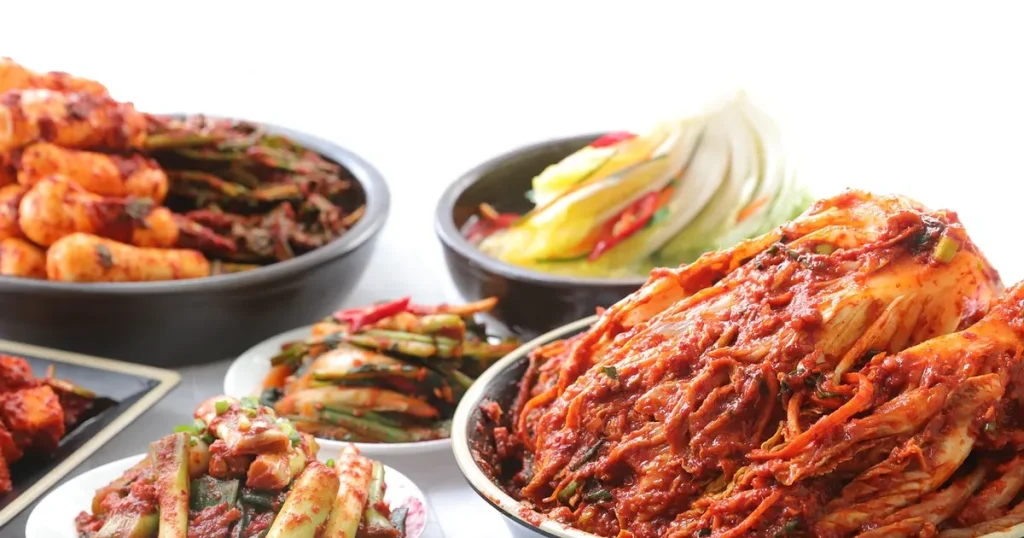
The crisp scent of garlic and chili peppers hangs heavy in the air. This isn’t just a kitchen; it’s a bustling community hub, a cherished annual event where laughter and chatter intertwine. This vibrant practice is Kimjang, the seasonal group activity of preparing large batches of winter kimchi.
1. The Communal Heart of Kimchi Making
Beyond culinary delight, this annual tradition profoundly knits communities together. Families, friends, and neighbors gather, working in unison to transform mountains of cabbage into the iconic spicy staple.
It’s a powerful example of how shared tasks strengthen social bonds and cultural identity.
2. A Valued UNESCO Heritage
In 2013, UNESCO recognized this unique collective effort as an Intangible Cultural Heritage of Humanity. This prestigious inscription acknowledges not just the recipe, but the entire social and cultural process.
It stands as a proud UNESCO heritage, highlighting the ingenuity and cooperation embedded in Korea’s culinary customs.
3. The Enduring Kimchi Tradition
This practice lies at the core of Korea’s vibrant food culture. For centuries, preparing this fermented dish has been a cornerstone of household life, a living history passed down.
The annual kimchi tradition ensures families have enough of the staple for colder months, renewing connections to ancestral ways.
4. Essential for Winter Stocking
Rooted in practicality, this grand effort prepares vast quantities of kimchi to sustain families through harsh winter months. It’s a testament to ingenious food preservation.
This dedication to winter preparation ensures every household is well-stocked, a critical survival strategy now a beloved cultural event.
5. The Human Need for Ritual and Connection
Beyond sustenance, this communal act taps into a deeper human need. As a Reddit commenter articulated, “Human beings crave ritual, purpose and a sense of greater connectedness.”
The annual kimchi-making event provides just that: shared purpose, strong community bonds, and a powerful connection to heritage. It transforms a mundane task into a meaningful collective experience.
6. A Symphony of Shared Labor
Success hinges on meticulous coordination and division of labor. Just as one Reddit user noted the importance of distinct roles in rituals, this seasonal event thrives on its divided tasks.
Some wash cabbage, others prepare the spicy seasoning (yangnyeom), while others coat each leaf. Families and neighbors traditionally gather for days to divide the labor and the kimchi, ensuring everyone contributes and benefits. This collaborative spirit makes the burden lighter and the outcome more rewarding.
7. Preserving Korea’s Culinary Identity
In 2026, this time-honored practice continues to thrive, embodying the very essence of Korean food culture. It’s not just about preserving a dish; it’s about safeguarding a way of life, a communal spirit, and a legacy that defines a nation.
Younger generations participate, inheriting not just recipes but values of cooperation, sharing, and respect for tradition.
It’s a truly special time. A taste of togetherness.
📌 Related Posts
References
- Traditional kimchi for gimjang season – Facebook
- Ad. POV: It’s Kimjang season Every autumn, families in … – Instagram
✍️ By: Seo-yeon Yoon | Freelance Contributor | [email protected]
© 2026 layer-hub.net | All rights reserved.