
You’re Missing a Millennium: Uncover Korea’s Authentic Musical Heritage Beyond K-Pop
Do you know the sounds that cradled a nation long before K-pop’s global rise? For many, the vibrant, syncopated beats of modern Korean pop music define the country’s sonic identity. But beneath this contemporary surface lies a deeper, richer current. It is a world of ancient melodies and rhythms. These are the sounds that predate K-pop by a thousand years. They offer a profound connection to Korea’s enduring spirit.
The Resonant Echoes of a Nation’s Story
At the heart of this enduring legacy is gugak. This term broadly encompasses all forms of traditional Korean music. It is a soundscape entirely distinct from foreign styles, embodying centuries of cultural evolution. This musical heritage isn’t monolithic; it branches into rich traditions of court music, folk music, and ritual music. Each serves a unique purpose. From grand royal ceremonies to the spontaneous expressions of common people, this music has shaped Korean identity through the ages. It is an art form rooted deeply in the land and its people, a testament to an unbroken cultural lineage.
A Zither’s Twelve Strings Tell Tales
Among the pantheon of traditional Korean instruments, one stands out for its evocative beauty: the gayageum. This 12-stringed zither, played with both fingers and hands, remains one of gugak’s most recognizable instruments. Its delicate, often melancholic, tones are instantly identifiable. Learning to play requires immense dedication, as performers must master subtle nuances of bending and plucking strings to achieve the desired emotional resonance. The instrument itself is often crafted from paulownia wood, connecting its sound even more directly to the natural world. Its enduring presence underscores the continuous thread of traditional artistry.
The Lone Voice That Carries Generations
Imagine a single voice, weaving an epic narrative for hours. This is the essence of pansori, a form of dramatic solo singing. It tells stories of love, loyalty, and loss, accompanied only by a drummer. The performer, or sorikkun, uses a wide range of vocal techniques, from guttural cries to soaring melodies, embodying multiple characters. Their voice becomes the entire world. In recognition of its profound cultural significance and unique artistic expression, this captivating art form was inscribed as UNESCO Intangible Heritage in 2003. It represents a powerful, direct connection to Korea’s storytelling tradition.
Contrasting Sounds, Enduring Heritage
While K-pop commands global stages in 2026, the quiet power of Korean traditional music persists. Observers note that K-pop’s widespread appeal is often attributed to its heavy borrowing from Western music, incorporating genres like EDM, hip hop, and R&B, with Western producers playing a direct role. This contrast highlights the distinct nature of older Korean sounds. It is also understood that historical discrepancies in how Korean sounds were romanized in English compared to newer methods might contribute to a different perception or understanding of traditional terms versus modern K-pop song titles among international audiences, according to one Reddit user. This ancient musical heritage, however, continues to be performed and cherished, finding new listeners who seek a deeper cultural engagement. It stands as a timeless counterpoint to the contemporary global soundscape.
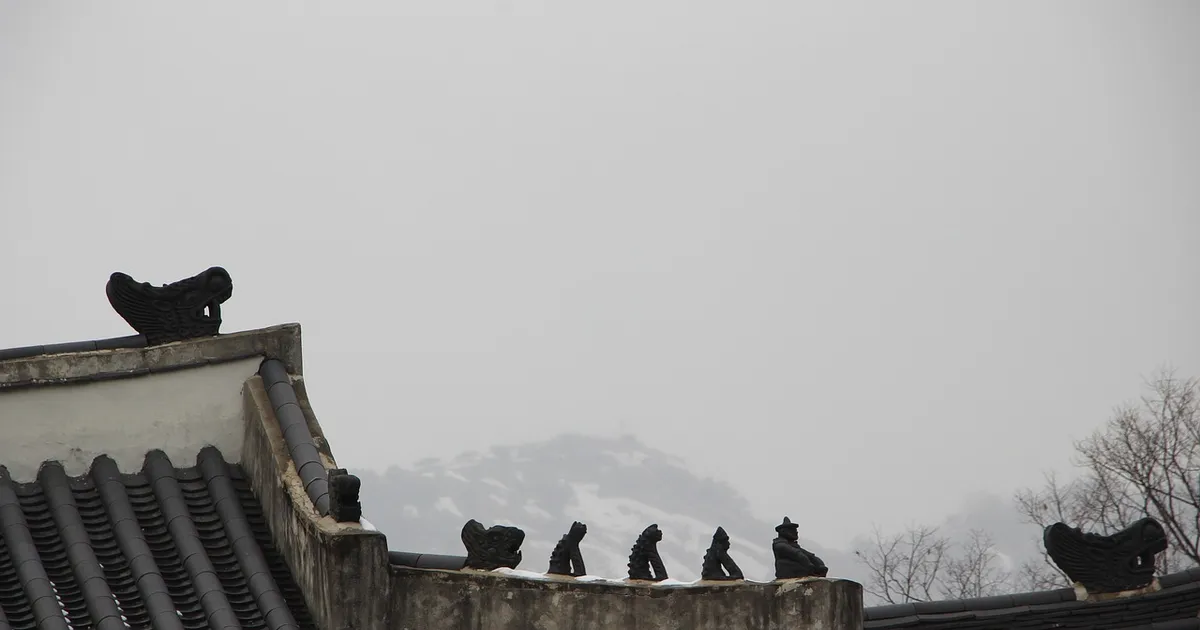
The sounds of the gayageum carry through the quiet spaces of Seoul’s ancient palaces and modern concert halls alike.
📌 Related Posts
References
✍️ By: Lisa Jung | Freelance Contributor | [email protected]
© 2026 layer-hub.net | All rights reserved.