
Glucosamine or Collagen: Understanding Their Impact on Knee Pain
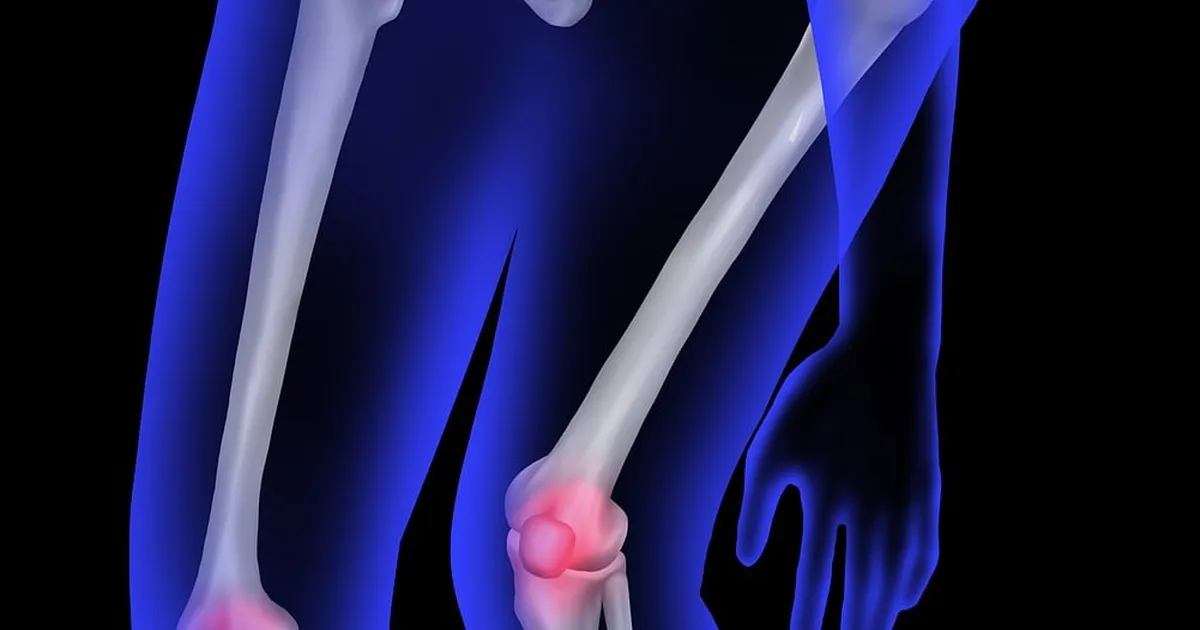
You will learn the scientific evidence behind common knee pain supplements, particularly glucosamine and collagen, and understand what the research truly indicates for joint health in 2026.
I have observed the growing interest in these options for managing joint discomfort. Many individuals seek clarity on whether these popular choices deliver measurable benefits.
Glucosamine & Chondroitin: Mixed Outcomes
I have reviewed the extensive research on glucosamine plus chondroitin for knee discomfort. The clinical results have shown a mixed picture for many.
For individuals experiencing severe knee pain, some studies indicate a potential for benefit, while those with mild pain often report placebo-level effects. This forms part of the current glucosamine knee pain evidence.
Collagen’s Role: Structure & Relief
Many discussions highlight collagen as a vital component of joint cartilage and connective tissues. Supporting this structure is often the stated goal of supplementation.
A key focus for those managing joint discomfort involves how a collagen supplement knee might contribute to the integrity and function of these crucial areas.
Hydrolyzed Collagen: Bioactive Peptides
I have seen discussions around the forms of collagen available. According to research by D Martínez-Puig in 2023, hydrolyzed collagen may contain biologically active peptides.
These peptides are thought to be able to reach joint tissues, where they could potentially exert chondroprotective effects. This suggests a direct mechanism of action within the joint.
Native Type II Collagen: Pain Benefits
Another form, native type II collagen, has also been a subject of specific studies. D Martínez-Puig’s 2023 work further notes that studies evaluating its use for osteoarthritis (OA) have generally reported positive results.
These benefits are often described in terms of pain relief and improved joint function. The evidence points to its potential in managing the symptoms of OA.
Vitamin C: Essential Collagen Support
I understand the body’s natural processes. It is known that vitamin C rich foods are crucial for the body’s own synthesis of collagen.
While supplements cannot regenerate lost cartilage, providing adequate vitamin C helps maintain the remaining joint structure. This natural support is fundamental for overall joint health.
Omega-3 Fatty Acids: Joint Inflammation
I have also noted the role of other nutrients in joint health. Omega-3 fatty acids are recognized for their significant anti-inflammatory effect on joints.
For individuals seeking relief from discomfort, a daily intake of 1-3 grams is often suggested. Interestingly, consuming two weekly fish servings can be more efficient than relying solely on supplements for omega-3 joint pain management.
Supplement Efficacy: Beyond the Bottle
When considering whether knee pain supplements work, it becomes clear that individual results vary greatly. The overall picture for knee osteoarthritis supplements 2026 remains nuanced.
A comprehensive approach to joint health, including diet and lifestyle, consistently yields better outcomes. Supplements are often seen as one component of a broader strategy.
The gentle hum of the ventilation system continues steadily.
🛒 Related Products
- Optimum Nutrition Creatine, Micronized Creatine Monohydrate Powder, Supports Strength & Recovery, Banned Substance Tested, Unflavored, 5 g per Serving, 120 Servings
- Magnesium Glycinate 400mg | 180 Capsules | Sleep, Muscle, & Heart Support | Vegan, Third Party Tested, Gluten Free, Non-GMO, by Double Wood Supplements
📌 Related Posts
References
✍️ By: Emily Rogers | Freelance Contributor | [email protected]
© 2026 layer-hub.net | All rights reserved.
This post contains affiliate links. As an Amazon Associate, we earn from qualifying purchases at no extra cost to you.