
5 Ways: Korean Blood Type Personality
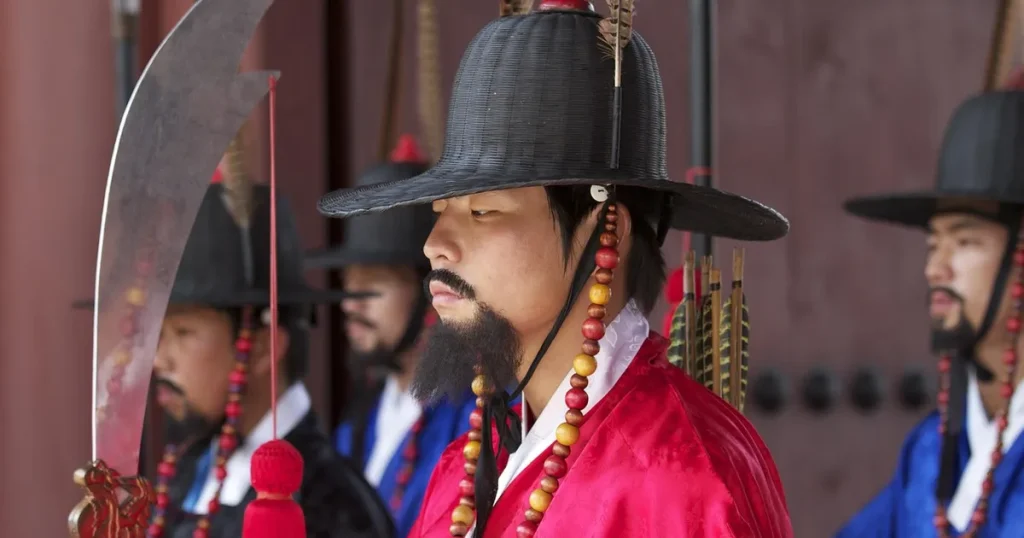
It is observed that in 2026, a visitor to Korea might encounter the question ‘What’s your blood type?’ with a frequency comparable to inquiries about one’s zodiac sign in other cultures. This seemingly simple query often serves as a window into a fascinating aspect of local social interactions: the popular belief in Korea that links blood types A, B, O, and AB to distinct personality traits. While the scientific community does not support these associations, their prevalence in everyday conversation highlights a unique cultural phenomenon that shapes how individuals perceive themselves and others.
Hearing the Question: The Initial Encounter
For many unfamiliar with Korean culture, being asked about one’s blood type can be an unexpected experience. Unlike the common Western practice of inquiring about a person’s zodiac sign, in Korea, the blood type question often precedes a lighthearted, yet sometimes earnest, attempt to characterize an individual’s nature. This initial interaction can offer a glimpse into the subtle frameworks through which social connections are sometimes initiated and understood.
Seeing the A-Type: The Careful and Anxious Persona
Within this societal framework, specific stereotypes have emerged for each blood type. Type A individuals, for instance, are commonly stereotyped as careful, considerate, and often anxious. These characteristics are often associated with a preference for order and a tendency towards introversion. Someone with blood type A might be perceived as a planner, someone who avoids conflict and takes a thoughtful approach to situations, sometimes to the point of being overly concerned with details.
Feeling the B-Type: The Free-Spirited and Blunt Persona
In contrast, those with blood type B are generally seen as possessing a free-spirited and blunt nature. This personality type is often characterized by creativity, passion, and a tendency to speak their mind without much reservation. While sometimes admired for their honesty and independence, individuals of blood type B can also be perceived as self-centered or impulsive, embodying a spontaneous energy that contrasts sharply with the cautiousness attributed to Type A.
Imagining the O-Type: The Sociable and Confident Spirit
The personality traits associated with other blood types also contribute to this intricate system of social classification. Individuals with blood type O are frequently viewed as natural leaders, sociable, and confident. They are often described as ambitious, outgoing, and resilient, capable of easily adapting to new environments. Conversely, those with blood type AB are often considered enigmatic and unique, sometimes displaying a blend of Type A and B characteristics, which can lead to perceptions of complexity or even eccentricity.
Tasting the Social Fabric: A Common Icebreaker
Despite the lack of scientific basis, the theory remains a common icebreaker topic in casual conversation. It functions as a playful way for people to learn about each other and share initial impressions, offering a lighthearted avenue for connection. This aspect of Korean social customs often sparks discussions and laughter, serving as a social shorthand rather than a definitive scientific classification.
According to an observation shared in an ‘Ask Hyojin’ column, many acknowledge that the concept is a very popular one, even if they personally do not entirely believe in it. It suggests an awareness of its cultural significance, regardless of individual skepticism. This widespread acceptance underscores its role in general conversation topics and informal social analysis.
Touching Cultural Nuances: Beyond Zodiac Signs
This cultural practice is more than just a passing fad; it offers insights into broader Korean culture facts. Upon learning your blood type, Koreans are sometimes quick to deduce what kind of person you are. An interesting fact among Koreans is that blood type is often treated as a key to understanding someone’s fundamental character, much like zodiac signs are used in other parts of the world. For instance, a foreign visitor in Seoul for the Asian Leadership Summit might find that mentioning their blood type elicits immediate, albeit lighthearted, assessments of their personality.
This practice suggests a cultural predisposition towards categorizing and understanding individuals through shared, easily identifiable markers. It provides a unique lens through which to explore interpersonal dynamics and group affiliations in a different cultural context.
Perceiving the Pop Belief: Its Enduring Presence
The fascination with blood type personality traits is deeply embedded in the Korean pop belief landscape, influencing everything from dating guides to marketing strategies. Its enduring presence in media, casual chat, and even humor demonstrates its pervasive nature within the society. This cultural phenomenon, while non-scientific, continues to be a lively and integral part of everyday interactions.
The belief in blood type personalities is a distinctive aspect of Korean culture.
It functions as a pervasive, albeit unscientific, social icebreaker.
Understanding this custom can enhance cultural literacy and social interactions.
📌 Related Posts
References
- Your blood type… but make it Korean In Korea, blood … – Instagram
- Korean Blood Types and Personalities | PDF – Scribd
- Did you know your blood type can say a lot about you in Korea? In …
✍️ By: Ji-won Choi | Columnist | [email protected]
© 2026 layer-hub.net | All rights reserved.