
EV Real World Range vs EPA: Your Complete Guide to Why Electric Car Range Accuracy Differs
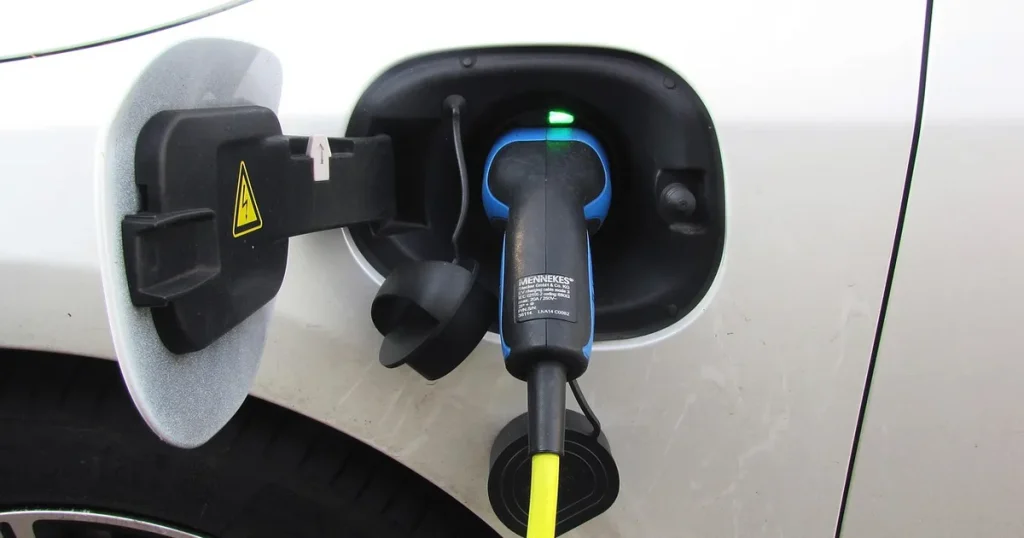
Did you know that in 2026, many electric vehicle owners find their cars achieve up to 30% less range than the advertised EPA estimate? This significant difference often surprises new EV drivers who expect their vehicle’s performance to precisely match the sticker. Understanding this gap is crucial for a realistic driving experience.
The Ideal vs. Reality
The official range figures for electric vehicles are typically tested under controlled, ideal laboratory conditions. These standardized tests, while necessary for comparison across models, don’t fully replicate the varied scenarios of daily driving. Consequently, the EPA range is a useful benchmark, but it’s rarely a direct promise of precise mileage in every single situation you encounter.
Factors like consistent high-speed highway driving, especially at speeds approaching or exceeding 100 mph, can drastically impact battery consumption. Similarly, frequent rapid acceleration patterns and heavy use of climate control, such as air conditioning or heating, demand significantly more power. Understanding these common real-world driving behaviors is key to reconciling the advertised figures with your actual experiences on the road.
Why EV Less Range Than Advertised
Many drivers discover their electric vehicle yields substantially less range than advertised due to a subtle combination of environmental and behavioral elements that are difficult to simulate in a lab. The displayed percentage on an EV’s dashboard often relates to the initial EPA estimation, not a dynamic calculation based on current driving conditions, a point frequently raised by some Tesla owners on online forums. This disparity can lead to unexpected range anxiety if the nuances of real-world driving impact are not properly understood by the driver.
External conditions like consistently cold ambient temperatures, particularly during winter months, significantly reduce battery efficiency and, consequently, usable range due to the battery chemistry. Furthermore, driving uphill against strong headwinds or at higher elevations demands extra energy from the battery as the vehicle works harder to maintain speed. These dynamic factors are often overlooked when reviewing static advertised range figures, thereby explaining why EV less range than advertised becomes a common experience for many owners.
EV Range Calculation Realistic
To truly understand your vehicle’s capabilities and avoid unexpected stops, it’s wise to apply a more pragmatic approach to battery range estimation. A commonly accepted guideline for typical summer city driving suggests calculating approximately 75% of the official EPA range for a reasonable expectation. For instance, an EV with a 300-mile EPA rating might realistically deliver around 225 miles in predominantly urban summer conditions, accounting for normal stops and starts.
When facing colder temperatures or a heavy mix of sustained highway driving, a further adjustment is advisable for a truly EV range calculation realistic. In these scenarios, expect closer to 65% of the EPA estimated range, reflecting the increased energy demands. This means that same 300-mile EV could yield approximately 195 miles, a crucial difference that dramatically impacts trip planning and charging needs.
Electric Car Range Factors
Maintaining optimal battery health and preventing premature degradation also plays a crucial role in maximizing your usable range over time, protecting your significant investment. It is strongly recommended to consistently keep your electric vehicle’s battery charge above 10% whenever possible, especially during daily usage. This practice helps to mitigate thermal stress on the battery pack, which can otherwise compromise its long-term performance and ultimately reduce its overall capacity.
Allowing the battery to consistently drop to very low states of charge risks sudden power cutoff, which is more than just an inconvenience; it can be a significant operational issue for drivers. Understanding these crucial electric car range factors contributes to both a smoother driving experience and helps extend the functional longevity of your vehicle’s most expensive component. Additionally, some Reddit users highlight that for those without convenient home charging, a higher initial range can significantly reduce the frequency of charging stops, even with access to workplace charging over several days.
Ultimately, the usable range of an electric vehicle is a dynamic figure influenced by numerous variables.
🛒 Related Products
📌 Related Posts
References
- EV Battery Health: Key Findings from 22,700 Vehicle Data Analysis
- Electric Car Range and Price Comparison 2026 – Coltura
✍️ By: Editorial Desk | [email protected]
© 2026 layer-hub.net | All rights reserved.
This post contains affiliate links. As an Amazon Associate, we earn from qualifying purchases at no extra cost to you.