
Why Does My Cat Gain Weight After Neutering?
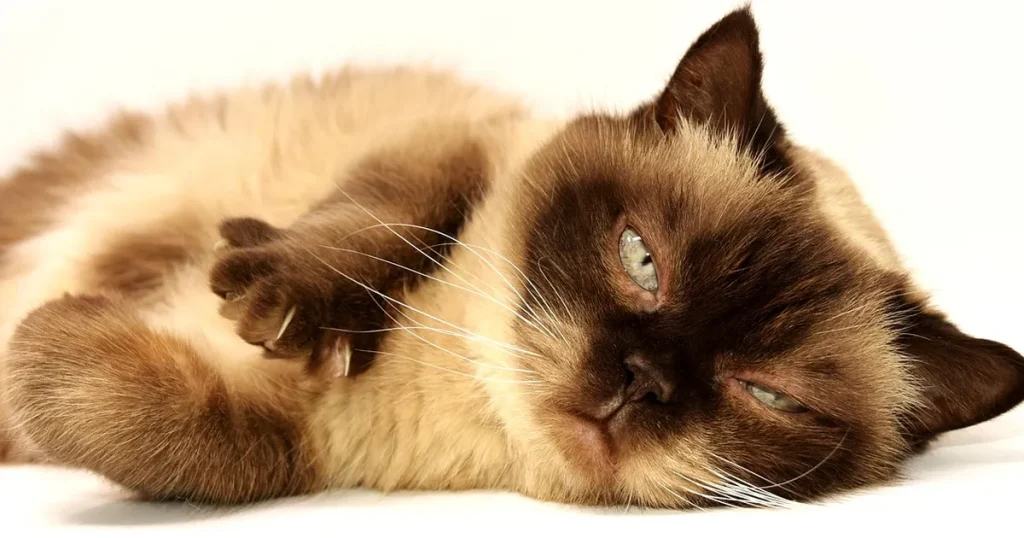
It’s a common dilemma many cat owners face. Your beloved feline friend comes home after neutering, and before you know it, their sleek figure starts to fill out. I realized this change can be quite concerning for many.
Understanding the Post-Surgery Shift
I learned that the primary reason for cat weight gain after neutering is a significant metabolic change. Neutering reduces a cat’s basal metabolic rate by an estimated 20-30%.
This means their body simply requires less energy to function than before the surgery. According to the NIH, increased food intake is the most likely factor influencing weight gain in the neutered cat. Proactively addressing these changes with nutritional management is key.
Immediate Steps: Reducing Calorie Intake
I understood that calorie reduction needs to begin immediately after surgery, not weeks later. It is advisable to reduce your cat’s caloric intake by 20-25% from their previous amount.
This early intervention is crucial for a successful cat diet after spay neuter. Waiting too long allows the weight gain cycle to begin, making it much harder to reverse.
Choosing the Right Meal Plan
I realized continuing to feed regular cat food after neutering guarantees obesity for many felines. Instead, I transitioned my cat to a neutered-cat specific formula.
These specialized foods typically have a lower calorie count and often higher fiber content, which helps your cat feel full and satisfied. Studies report that cats have acute changes in intake post-neuter when fed ad libitum, gaining body weight and fat mass within 8–12 weeks of neutering.
The End of Free-Feeding Days
I accepted that the days of leaving a bowl of food out all day long were over. Free-feeding after neutering almost certainly leads to chronic overeating.
Now, I meticulously measure the neutered cat food amount for each meal. Using an automatic feeder programmed for precise portions helps maintain consistency, even when I am busy.
Active Play for a Healthier Cat
Beyond dietary changes, I also focused on increasing my cat’s activity levels. Regular playtime helps burn calories and maintains muscle mass.
Engaging toys, puzzle feeders, and interactive play sessions became a daily routine. This physical activity complements the dietary adjustments effectively.
Partnering with Your Veterinarian
I found it invaluable to consult with my veterinarian about my cat’s specific needs. They provided a tailored feeding plan and advised on appropriate exercise levels.
This professional guidance is essential for effective neutered cat obesity prevention. A vet can monitor your cat’s weight and adjust recommendations as needed.
Sustaining a Balanced Lifestyle
I learned that consistency is paramount in cat weight management after surgery. Sticking to the new diet, portion control, and regular activity becomes a new routine for both of us.
It takes commitment, but the rewards are significant. In a year from now, your cat will be maintaining a healthy weight, full of energy, and enjoying a long, happy life thanks to these thoughtful adjustments.
🛒 Related Products
- Physician’s CHOICE Probiotics 60 Billion CFU – 10 Strains + Organic Prebiotics – Immune, Digestive & Gut Health – Supports Occasional Constipation, Diarrhea, Gas & Bloating – for Women & Men – 30ct
- Naturebell Pure Magnesium Glycinate 500mg, 240 Veggie Capsules | 100% Chelated & Purified – 3rd Party Tested, Vegan Friendly, Non-GMO, Filler Free
📌 Related Posts
References
- What, When and How Much Food Should I Feed My Cat? – YouTube
- Cat Weight Loss Information – Association for Pet Obesity Prevention
✍️ By: Editorial Desk | [email protected]
© 2026 layer-hub.net | All rights reserved.
This post contains affiliate links. As an Amazon Associate, we earn from qualifying purchases at no extra cost to you.